Find the right tool
for the job.
604 curated tools that help founders build, launch, and grow — sorted into collections by the job in front of you.
Collections · 22
collections hub →Email · 6 tools


Email Sending Platforms
Six senders, sorted by the job they were built for: password resets, or campaigns.


 +1
+1Meetings · 5 tools
AI Notetakers
Five meeting assistants, sorted by whether a bot shows up on your call.


AI Builders · 6 tools

AI App Builders
Six prompt-to-app tools, sorted by what you own once the AI stops.


 +1
+1Video · 7 tools
Screen Recorders
Seven recorders, sorted by whether you want polish, speed, or the raw file.


 +2
+2Design · 7 tools
Figma Alternatives
Seven design tools, sorted by what you keep: your files, your seats, your code.


 +2
+2Notes · 7 tools
Markdown Note Apps
Seven note apps, sorted by where the files live and who else can read them.


 +2
+2Email · 6 tools



Email Newsletter Platforms
Six newsletter platforms, sorted by where your next thousand readers come from.


 +1
+1Forms · 6 tools
Form Builders
Six form builders, sorted by whether you pay per response or per feature.


 +1
+1Analytics · 6 tools
Website Analytics
Six lightweight Google Analytics alternatives, from one page of numbers up to full product analytics.


 +1
+1Scheduling · 5 tools
Scheduling Link Apps
Five booking links, sorted by who they serve: a solo founder, or a team routing demos.


Payments · 5 tools


Merchant of Record Platforms
Four merchant of record platforms and a storefront with a free plan, sorted by what you sell: subscription software, or one-off downloads.


Social · 5 tools

Social Media Schedulers
Five schedulers, sorted by what you post: X and LinkedIn threads, or an Instagram grid.


Websites · 5 tools

Landing Page Builders
Five builders, sorted by how much site you need: one page tonight, or a marketing site that grows.


Monitoring · 5 tools
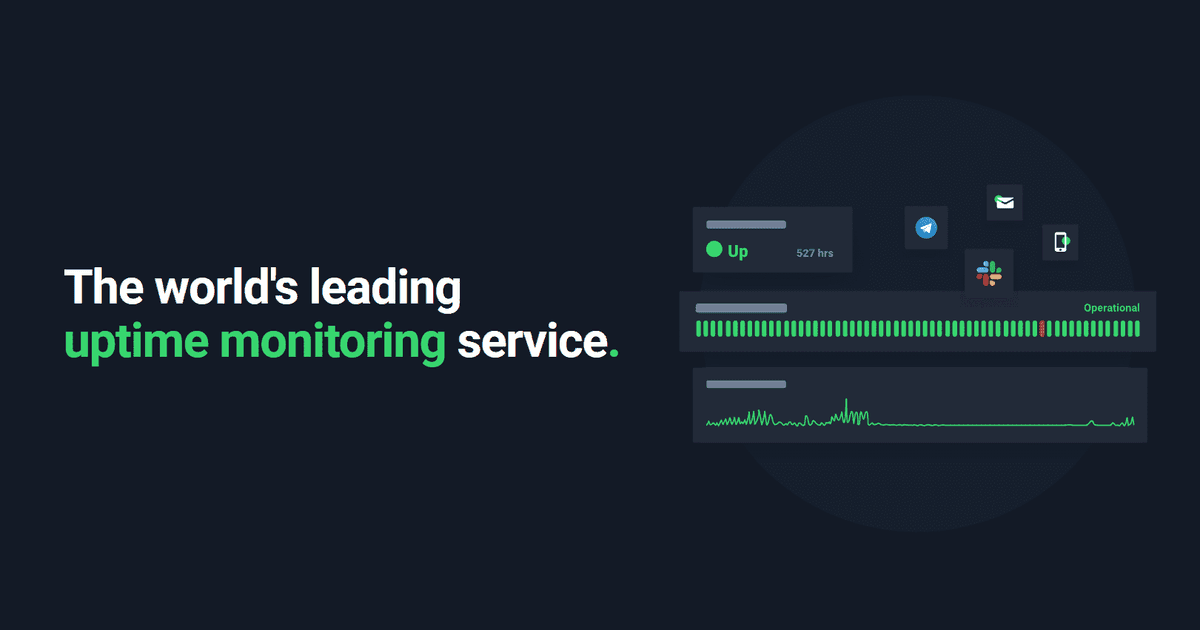
Uptime Monitoring
Five monitors, sorted by what happens after a check fails: an email, or a full incident response.


Automation · 5 tools

No-Code Automation
Five workflow builders: hosted platforms, plus two you can run on your own server.


Support · 6 tools

Customer Support Tools
Six support tools, sorted by where the questions arrive: a shared inbox, or a chat widget on your site.


 +1
+1Sales · 5 tools
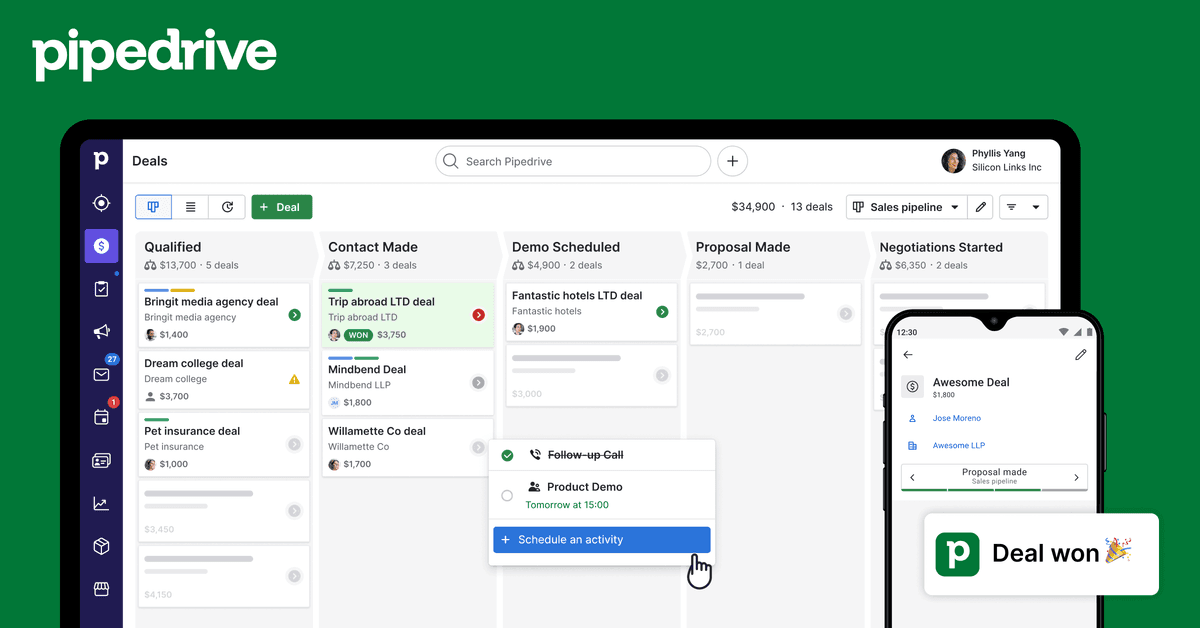


CRMs for Startups
Five CRMs for life after the lead spreadsheet, from sales pipeline to open source.


Developer · 5 tools


AI Coding Assistants
Five assistants, sorted by where they live: your editor, your terminal, or your pull requests.


Outreach · 5 tools


Cold Email Outreach
Five outreach tools, sorted by whether you bring the lead list or they find it for you.


Feedback · 5 tools

User Feedback Boards
Five voting boards, from full product suites down to a single page of votes.


Docs · 5 tools


Documentation Tools
Five docs platforms, sorted by who writes the pages: engineers in the repo, or everyone else.


Domains · 5 tools
Domain Registrars
Five registrars, sorted by what happens at renewal and how hard the checkout sells.


All tools
A hand-picked gallery of tools that indie founders and makers use every day. Editorial reviews, real ratings, no pay-to-list spam. The order refreshes daily.
Compare tools side-by-side
Notion vs Linear · Vercel vs Railway · and dozens more
Scade
Build native iOS and Android apps using Swift.
Practical UI
Learn UI design rules that actually work in practice.
ace.me
AI-powered website builder that creates sites from simple prompts.
MagicBlocks
AI-powered visual builder for automated sales workflows and pipelines.
Cossistant
AI-powered customer support assistant that learns your business.
Bookmarkify
Organize, save, and access your bookmarks from anywhere effortlessly.
Color Review
Colors for everyone. Building a tool for a better web.
Obsidian
A powerful knowledge base that works on local Markdown files.
Voibe
AI-powered voice notes that turn speech into organized, actionable text.
ThumbnailCreator
AI-powered thumbnail generator for YouTube videos that convert.
Timely
Timely automates company time tracking, so you and your team can focus on the work that matters.
deckd
Create stunning pitch decks and brand presentations in minutes.
A1 Gallery
Create stunning AI-generated art and images with one click.
Whimsical
Flowcharts, wireframes, mind maps, sticky notes.
Marqly
Easy-to-use, Marqly lets you save, customize, and manage all your bookmarks and texts online like a breeze.
Wellows
Track and optimize how AI models see your brand.
ClickUp
The "everything app" for work.
Motion
AI-powered calendar that automatically plans and prioritizes your tasks.
Reply
AI-powered sales engagement platform to automate multichannel outreach.
Clay
Spreadsheet that thinks — for prospecting.
Macaw HQ
AI-powered content creation and marketing automation for teams.
Layers
Layers is a curated library of design resources. Seeking to make the complex simple & beautiful.
Dead Link Checker
Find and fix broken links on your website automatically.
Bubble
Build production web apps without code.
V30
AI-powered social media content creation and scheduling platform.
Qura
AI-powered social media replies that turn comments into customers.
Zed
A lightning-fast, collaborative code editor built for modern development.
Pagic
Static site generator powered by React and markdown files.
Carbon Design System
Carbon is IBM’s open source design system for products and digital experiences.
Apify
Build, run, and scale web scrapers and automation in the cloud.
Showing 30 of 604