Dropday.ai Review: The Discovery Engine That Tracks AI Builds From First Demo to Real Product
The best AI builds flash across your feed once and vanish. Dropday.ai sends an agent out to find them — games, tools, agents, whole products — gives every one a page, hunts down the prompt behind it, and keeps following as it evolves. It’s the most interesting answer yet to "what are people making with AI?"
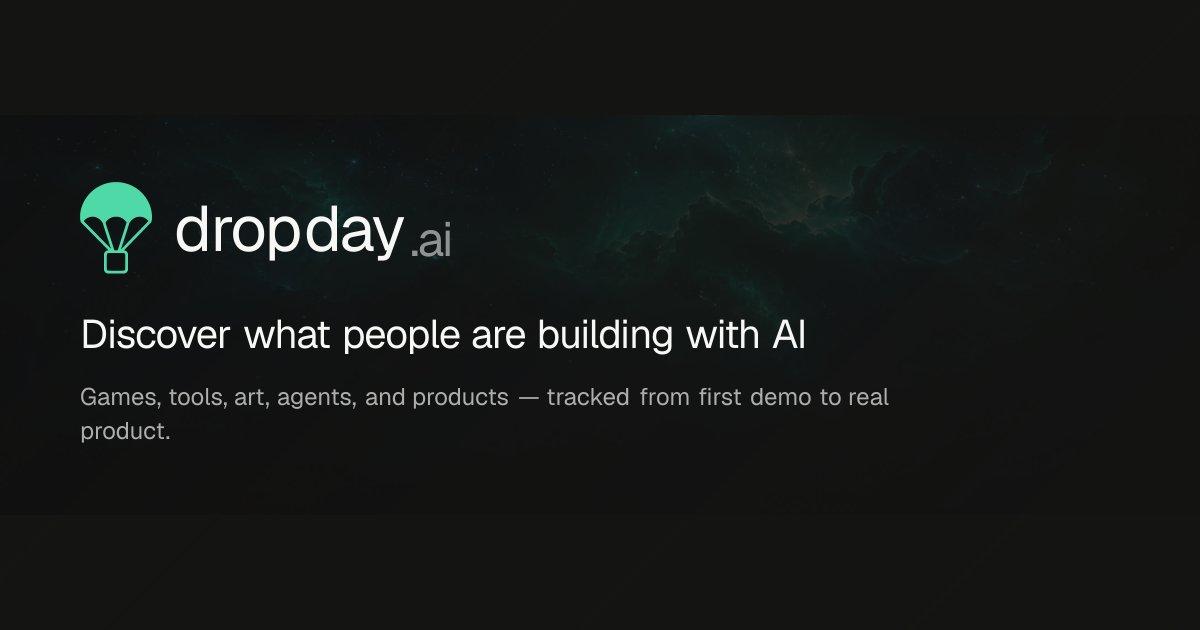
You see an amazing AI demo in your feed. A game built in a weekend, an agent doing something that should be impossible. By the time you want to show someone, it is gone, and you never learn whether it shipped, died, or became a company. Dropday exists for exactly this. An agent reads the web for the most interesting things people are building with AI, gives each one a permanent page, and keeps watching after the feed moves on.
What is Dropday.ai?
Dropday is a discovery platform for AI-made creations — games, tools, films, art, agents, experiments, and early products, all in one place. The collecting isn’t done by hand: Dropday’s agent searches the web for creations worth seeing, finds the people who made them, and indexes the result. Every listing gets its own page, and the index currently stands at 230 builds and counting. You can browse everything, search with a keystroke, climb the leaderboard, check top creators, or hit the Surprise button and see where you land.
It keeps watching after the feed moves on
Plenty of sites can show you a viral demo. Dropday’s sharper idea is what happens next: follow a build — or its maker — and when it grows, launches, or turns into something new, you’ll hear about it. Each page tracks the creation’s evolution "from first demo to real product," which changes what a rough prototype is worth. The site’s own analogy is the best pitch: the first light bulbs lasted only moments — the breakthrough was proving electric light was possible at all. Today’s imperfect AI builds are evidence of direction, and Dropday treats them as threads to follow.
Yes — they go looking for the prompt
Our favourite feature, and the one that tells you the builders get their audience: when a maker shared the prompt behind a build publicly, Dropday hunts it down — in the original post, the replies, the README, even inside the demo video — and attaches it to the listing. If you use Dropday to learn, the prompt is the value: you see what the model made and how someone got it to make that. The site calls itself "a living notebook for the frontier". With the prompts attached, the phrase fits.
Model Drops: releases measured in what they enable
A page per model release
Each new AI model gets a "drop" page — at review time, a fresh GPT-5.6 drop was already tracking 86 builds made with it.
Capability, demonstrated
You watch what people make in the days after a release. That is a better capability report than any benchmark thread.
The frontier, threaded
Follow a drop and watch a model’s real-world repertoire grow week by week.
Credit where it’s due
The repost economy is brutal to original makers — builds go viral in screen-recorded fragments with the credit stripped three shares ago. Dropday takes an explicit stance here: when a build appears in a review or roundup, they trace it back to the original source and credit the person who made it. Combined with the follow system, that turns Dropday into something rare — a discovery surface that sends attention back to creators instead of merely harvesting it.
Pricing
Browsing is free and requires no account; signing in unlocks following, so the "keep the thread" features cost you nothing but an email. For a product whose value compounds as its index grows, that’s the right on-ramp.
What could be better
The caveats are the caveats of youth. An index of 230 builds is deep enough to be fun and shallow enough that some niches are still sparse, though the agent never stops collecting. Curation cuts both ways as well. Dropday promises "only the good stuff", which means the agent’s taste sets the editorial line. Completists who want the unfiltered firehose will keep a search tab on the side.
Verdict
Dropday.ai has found a new position in the AI landscape: a memory for the frontier, where ephemeral demos become followable, creditable, learnable threads. If you build with AI, learn from prompts, or just want to know what these models are for, this is the bookmark.
What we loved
- ✓ An AI agent does the discovery — it reads the web so you don’t have to live in the feed
- ✓ Every build gets a permanent page that tracks its evolution over time
- ✓ Hunts down the prompt behind a build — from the post, the replies, the README, even the video
- ✓ Model Drops connect each new AI model release to what people built with it
- ✓ Credits the original maker even when a build surfaces via reposts and roundups
- ✓ Follow any build or maker and hear when it grows, launches, or becomes something new
Worth knowing
- → The index is young — 230 builds and counting, so some niches are still thin
- → The agent’s taste decides the feed; completists may want a raw firehose too
Bottom line
4.7/ 5The most interesting discovery surface in AI right now: an agent-curated index of real builds, with the prompts attached and the evolution tracked. Free to browse — follow three builds and it earns a permanent tab.
Visit Dropday →Reviewed independently by our editors as part of the Tiny Startups review programme.
More reviews

Mobbin Review: The UI/UX Reference Library That Replaced Our Screenshot Folders

PressWhisper Review: Press Coverage Without the PR Agency Retainer

Human Benchmark Review: The Reaction Time & Memory Test Site That Became the Internet's Cognitive Gym
delphitools Review: 50+ Free Privacy-First Browser Tools That Never Phone Home
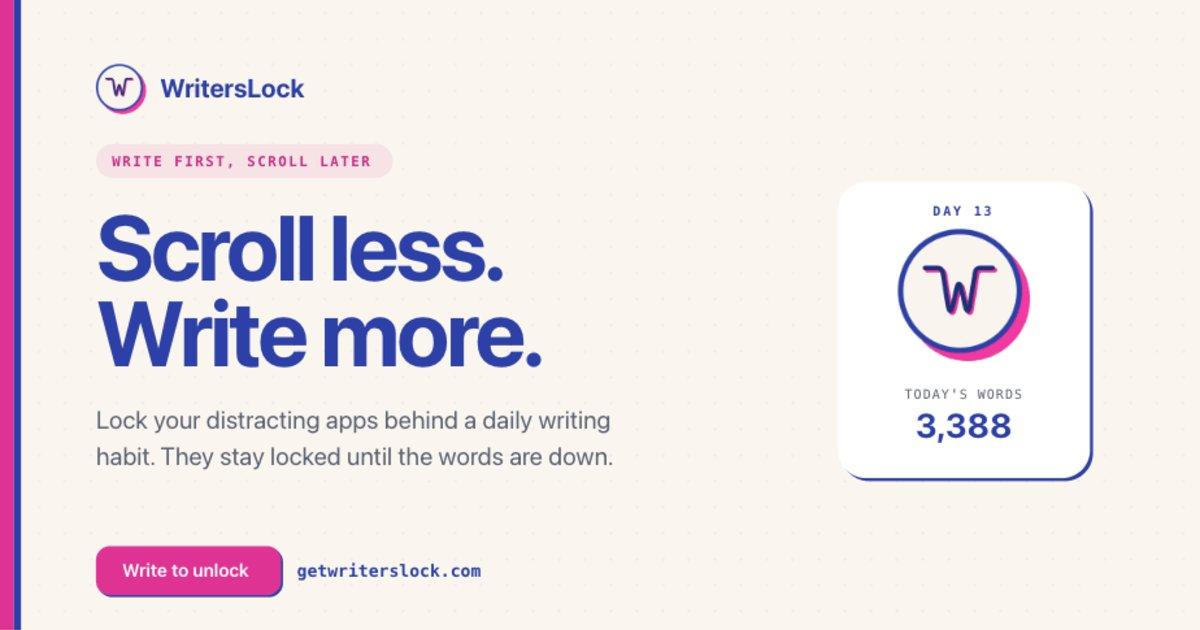
WritersLock Review: The Journaling App That Locks Your Doomscrolling Apps Until You Write
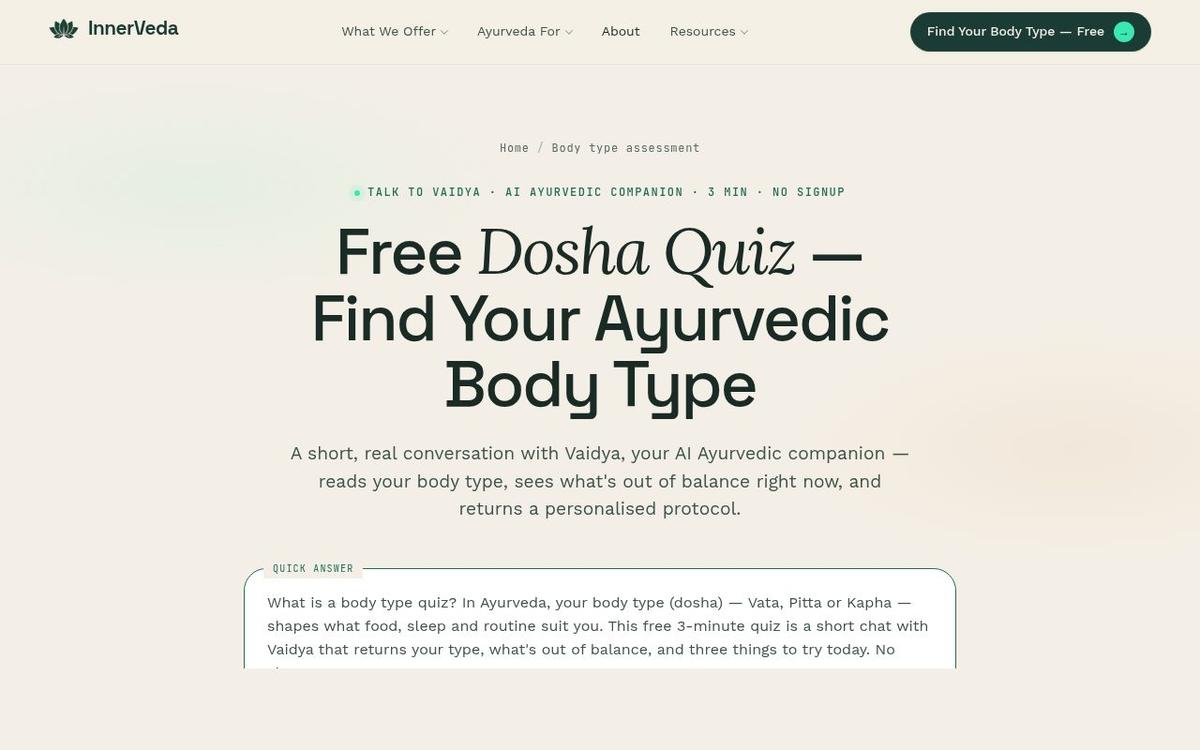
InnerVeda Review: An AI Dosha Quiz That Works Like a Consultation
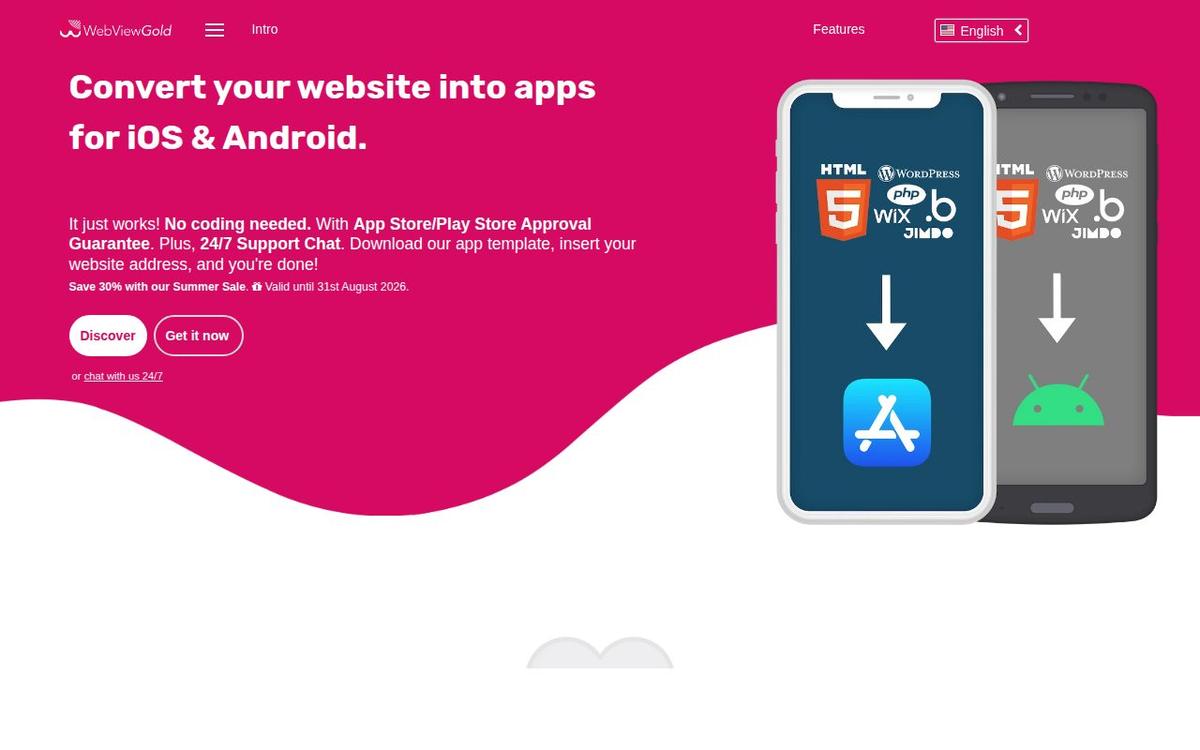
WebViewGold Review: Convert Your Website Into iOS and Android Apps Without Writing Code
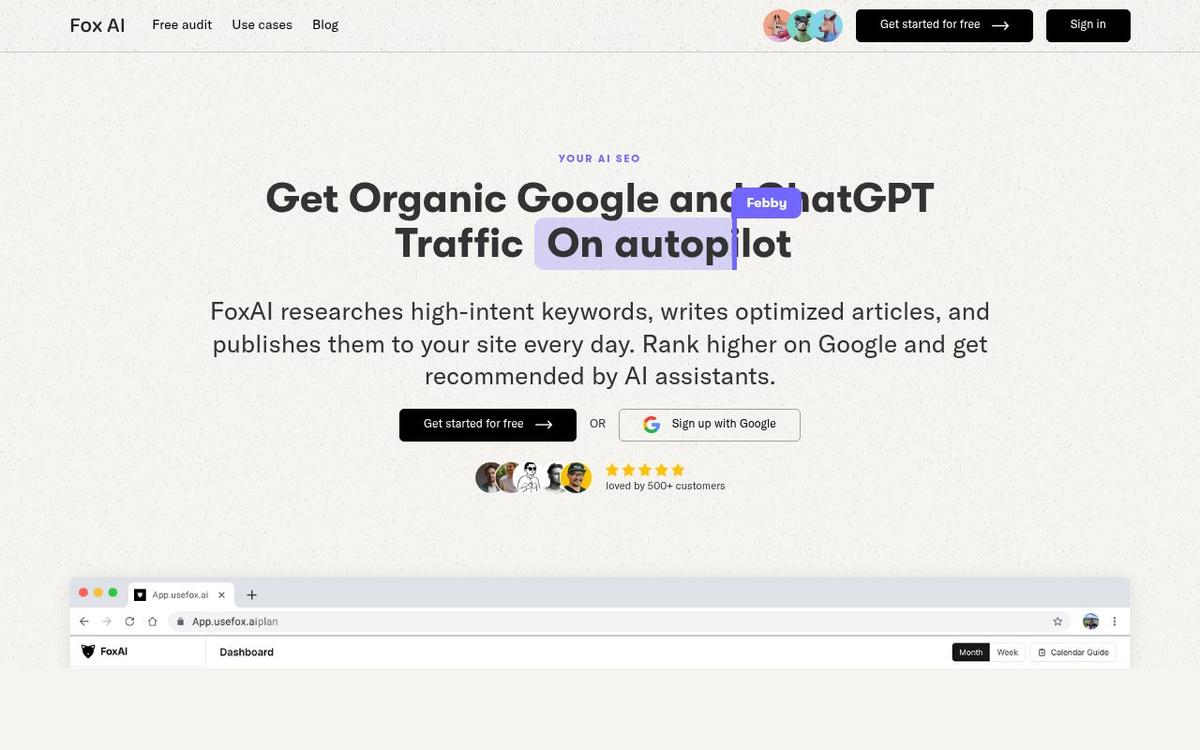
FoxAI Review: SEO Content on Autopilot — Built to Rank on Google and Get Cited by ChatGPT
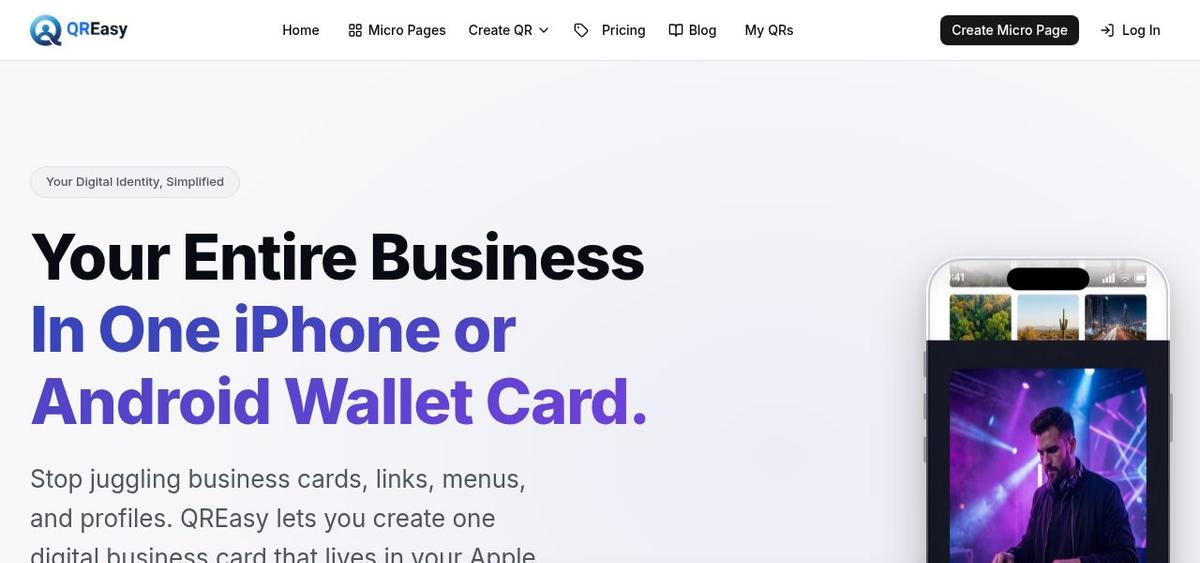
QREasy Review: Your Whole Business in One Apple or Google Wallet Card
Building something yourself?
Launch it on Tiny Startups — get in front of thousands of early adopters, and into the pages Google and AI search engines crawl when people look for tools like yours.
Submit your startup →